Ongoing
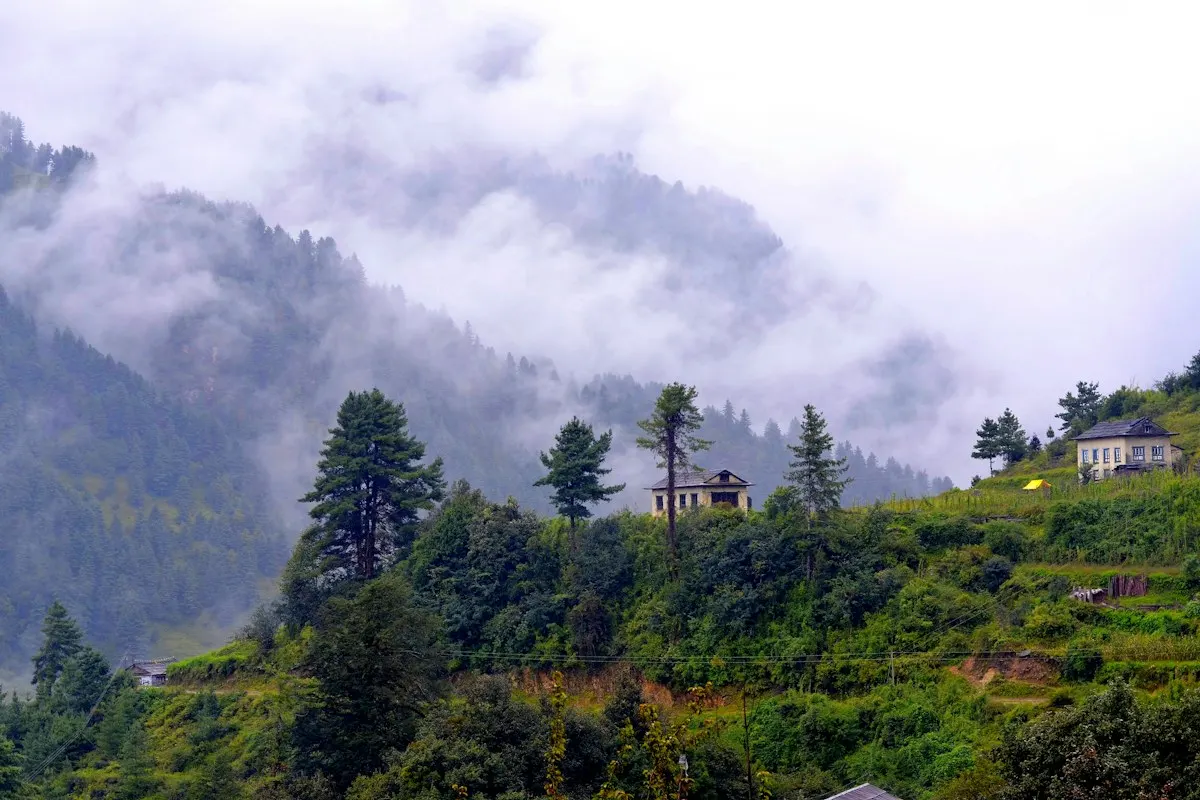
Hariyo Pahad Restoration
Restoring 420 hectares of degraded hillside with native trees, fodder and community forest user groups.
NPR 500 plants a native sapling and protects it for its first three years.
Donate NowForestry, farmer training, research and design — two weeks or two years.
Join as VolunteerMunicipalities, CSR teams and donors co-design programmes with our field staff.
Talk To Us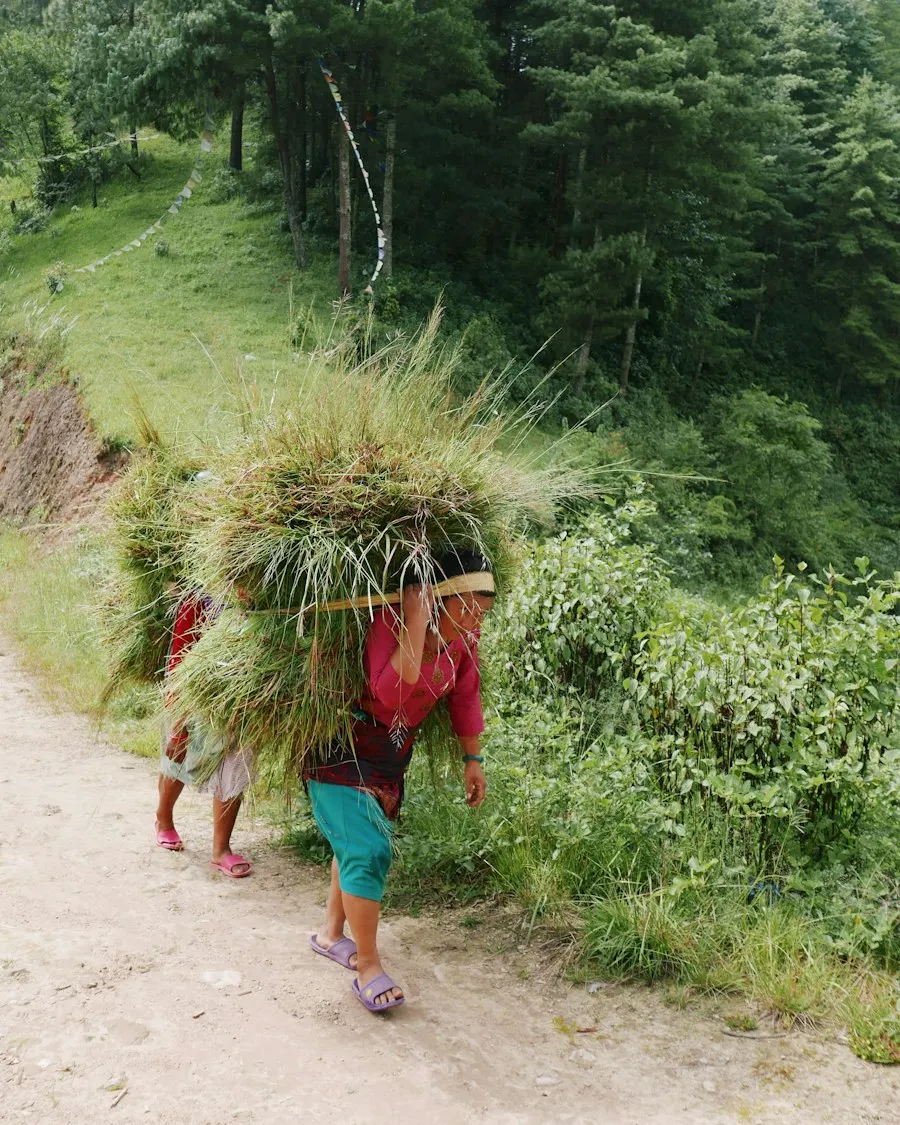
Green World Foundation (हरित विश्व प्रतिष्ठान) was registered in Kathmandu in 2062 B.S. by foresters, agronomists and teachers who had grown up on terraced farms and watched the springs above their villages dry up. We are a non-profit, non-political NGO affiliated with the Social Welfare Council.
Our work starts from a simple idea: when a community owns its forest, its water and its seed, it looks after them better than any project can. Every programme is planned with the ward office and run by a committee the village elects.
Each area of work is planned with ward offices and local groups, so forests, springs and farms stay in community hands long after a project closes.
Explore All ServicesPeople reached
Native trees planted
Springs revived
Districts
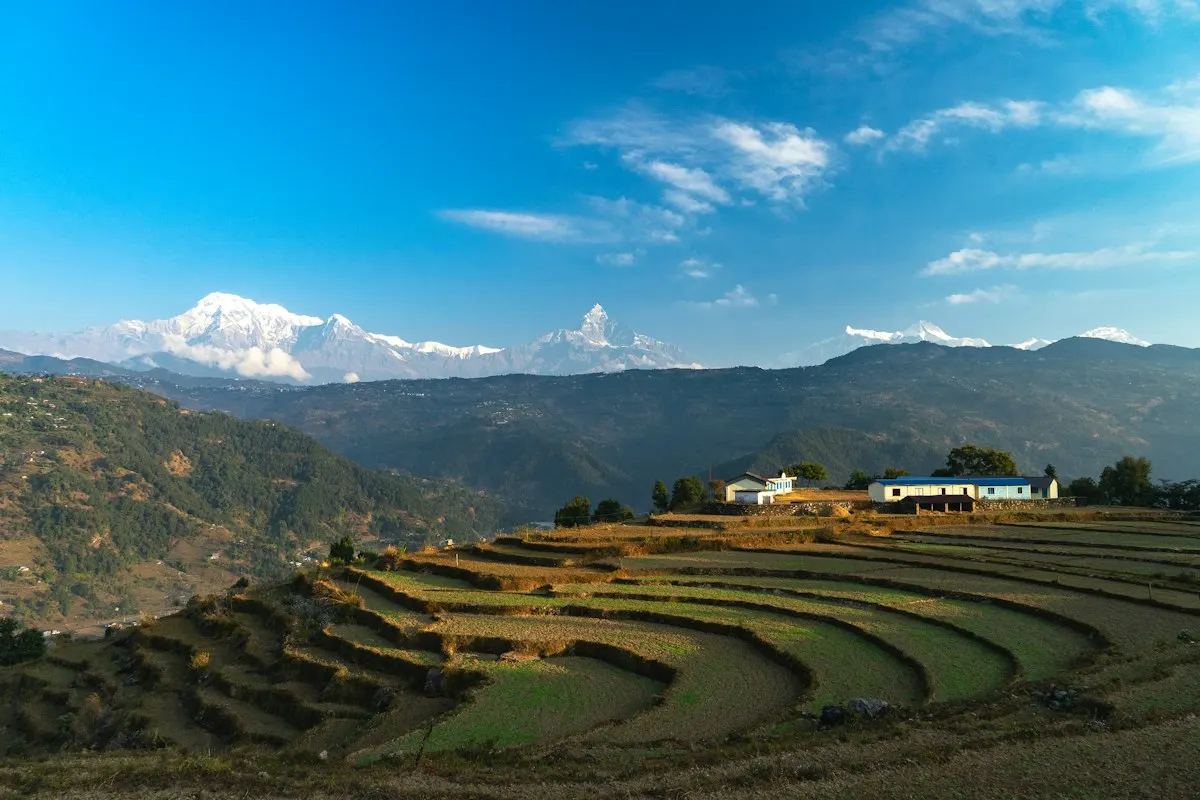
Restoring 420 hectares of degraded hillside with native trees, fodder and community forest user groups.
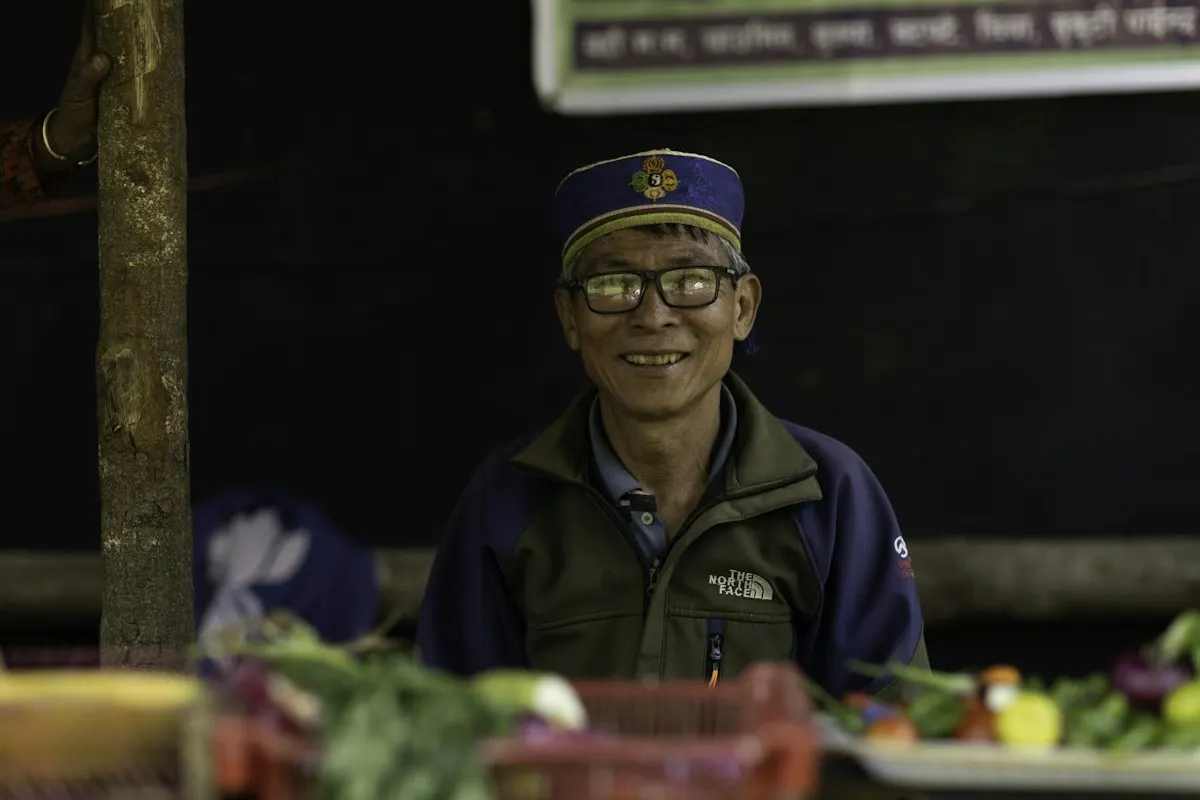
Helping 1,800 smallholder families move to organic vegetables, compost and farmer-run collection centres.
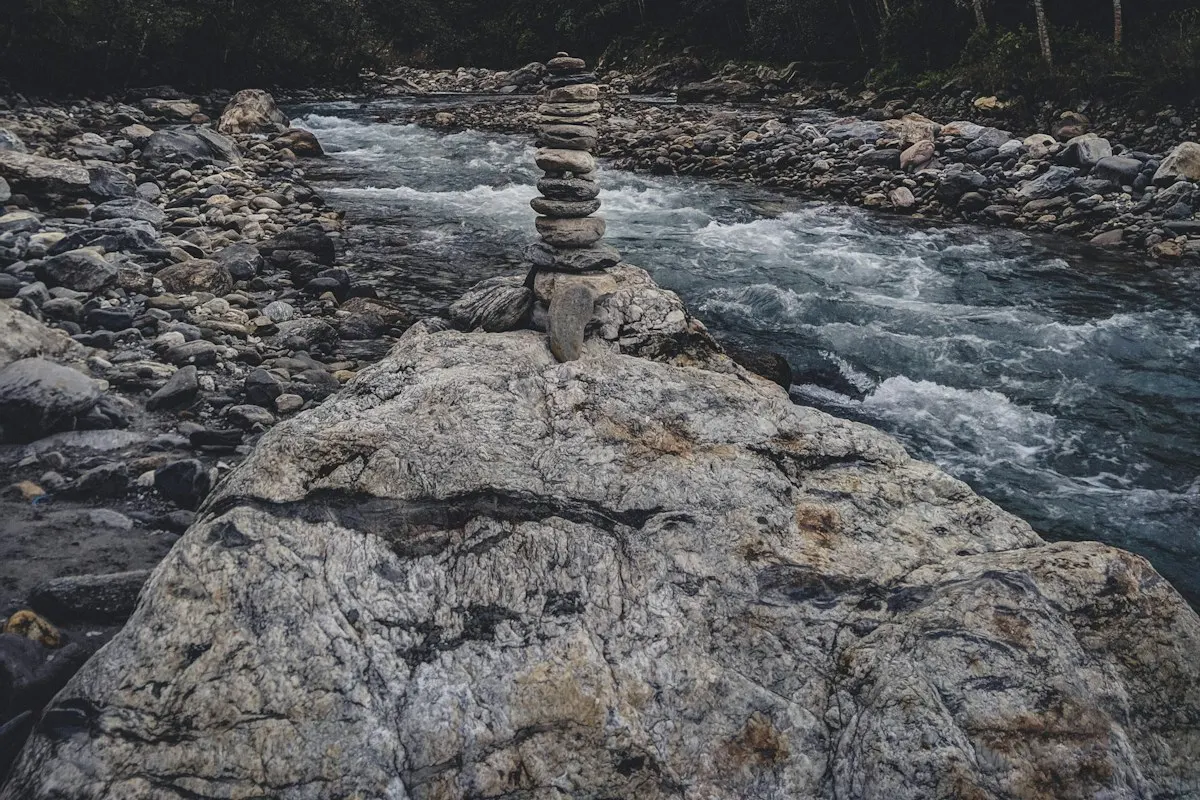
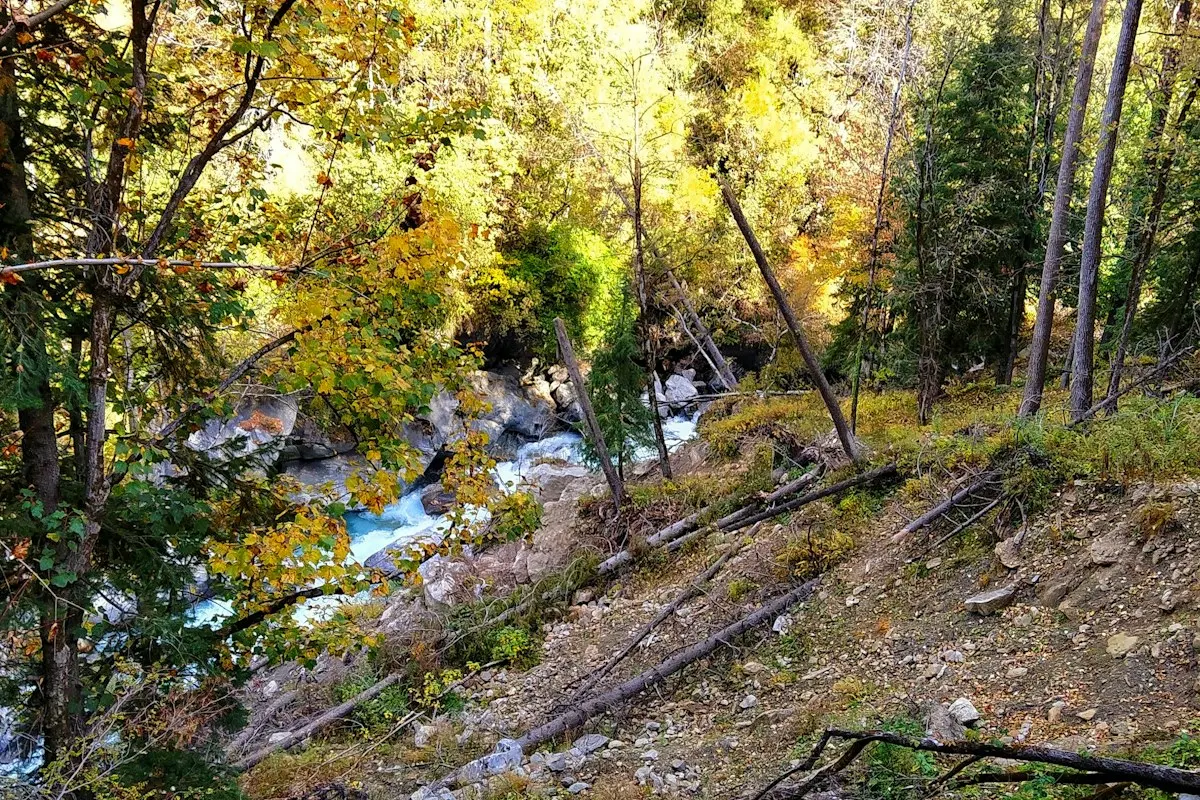
Reviving 64 drying springs through recharge ponds, contour trenches and protected spring-sheds.
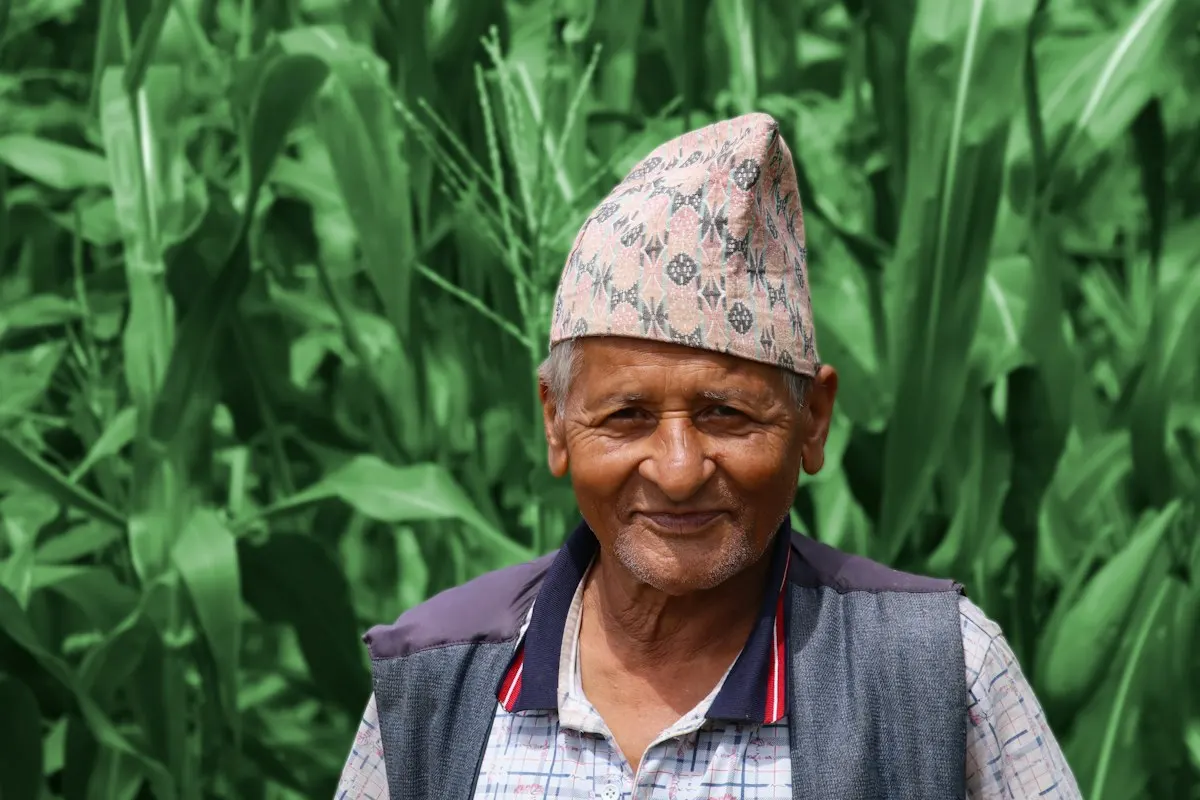
Village seed banks conserving 46 local crop varieties, run by farmer groups.
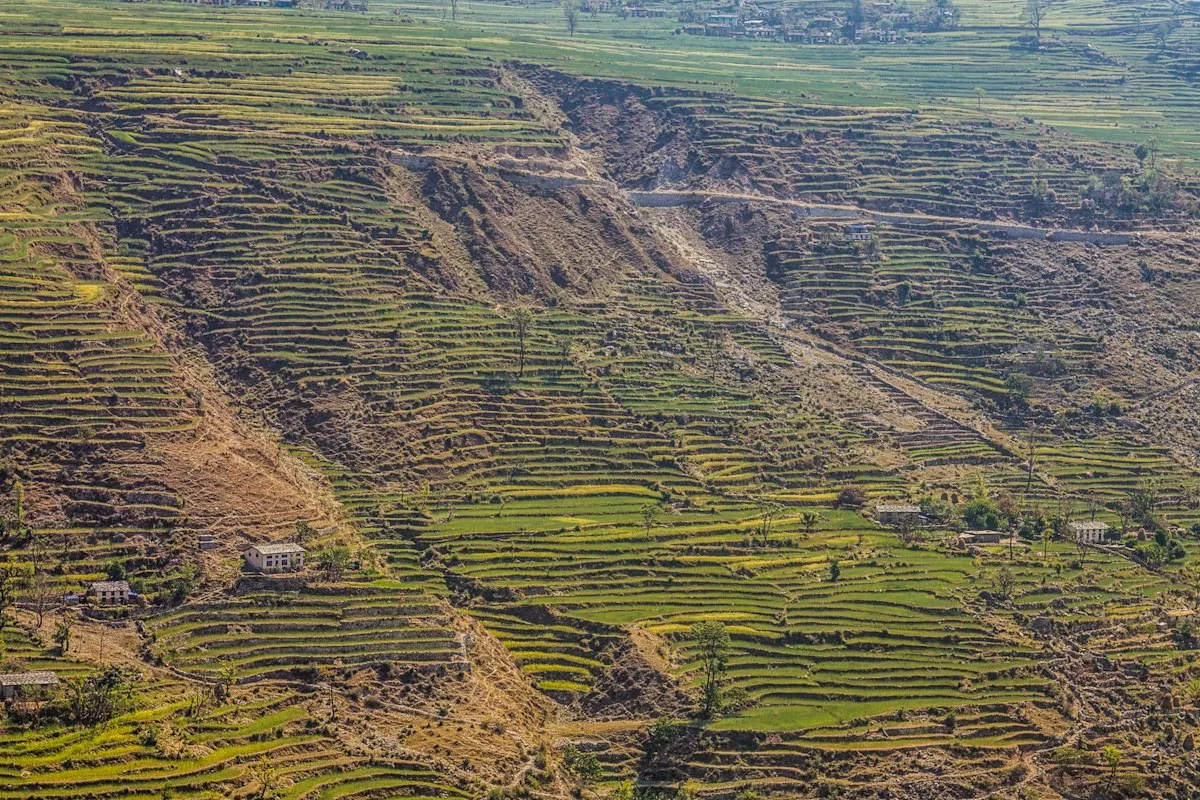
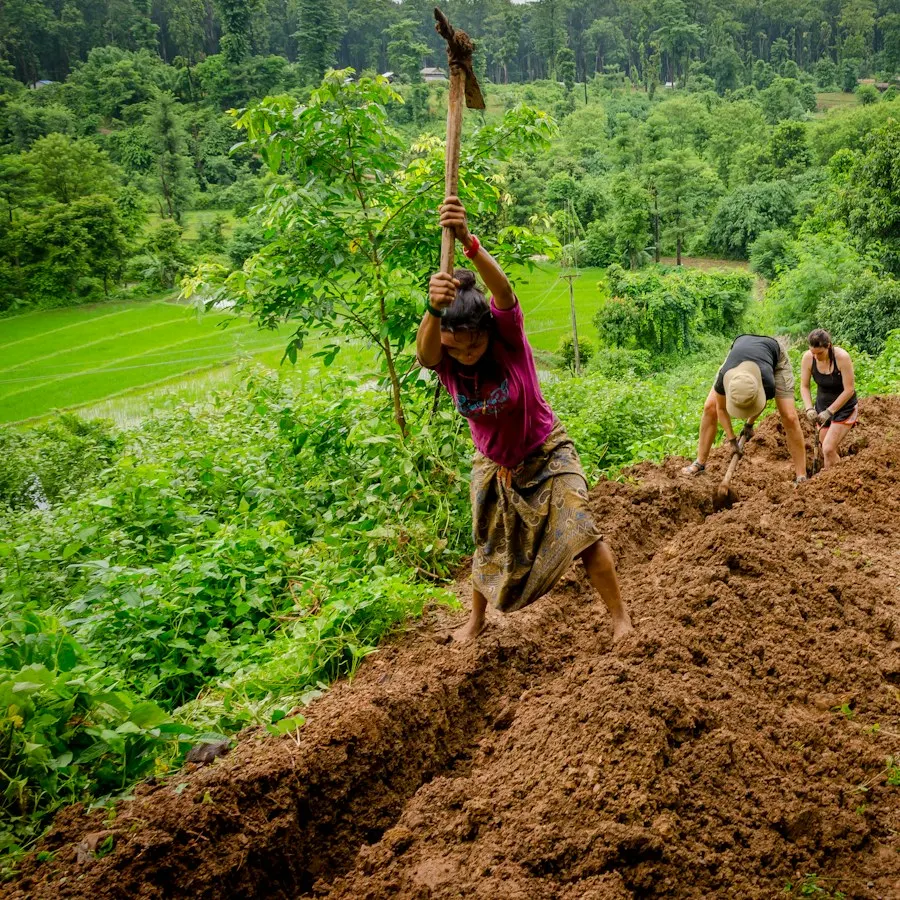
Repairing 310 hectares of landslide-damaged terraces with bio-engineering.
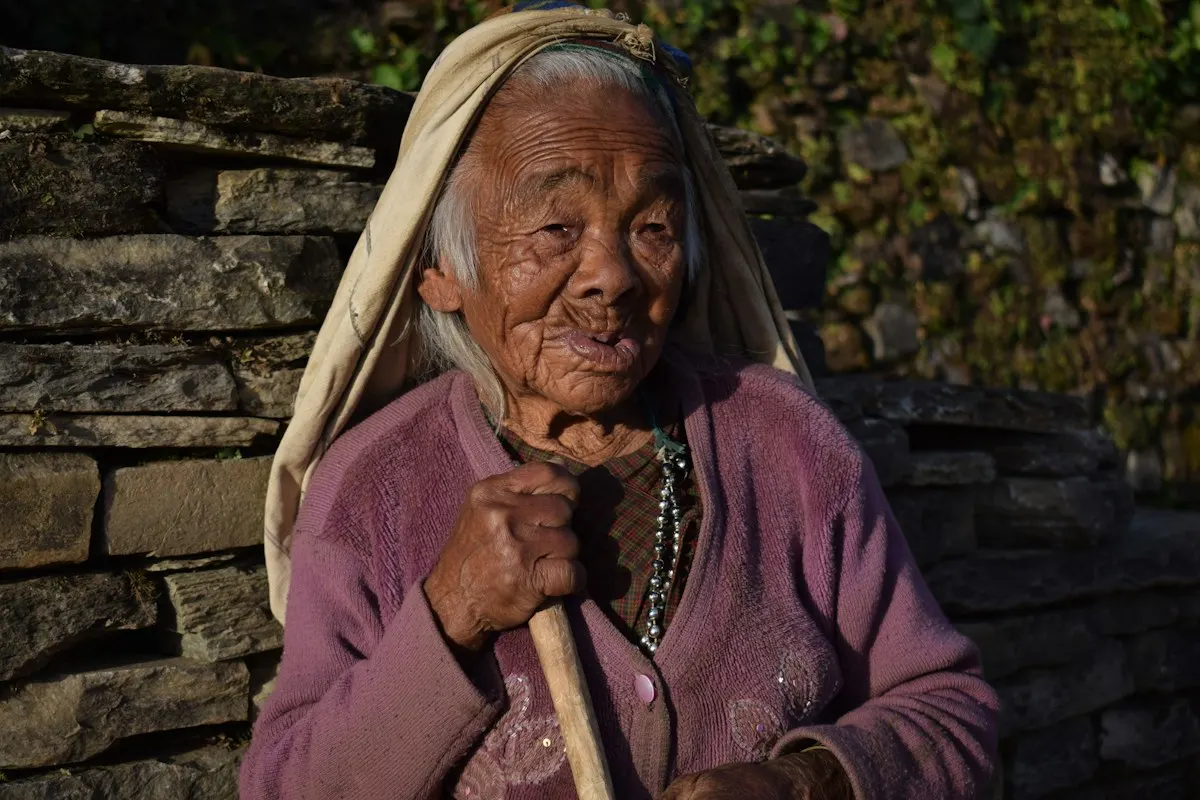
5,600 improved cookstoves that cut firewood use by a third and smoke in the kitchen.
Every rupee goes to forests, springs and farms in rural Nepal. Each gift is receipted and appears in our published, audited annual accounts.
SWC Affiliation No. 21874 · Regd. No. 412/062/063
Our audited accounts, field studies and programme evaluations are published in full — in Nepali and English — so communities and donors can check every figure.
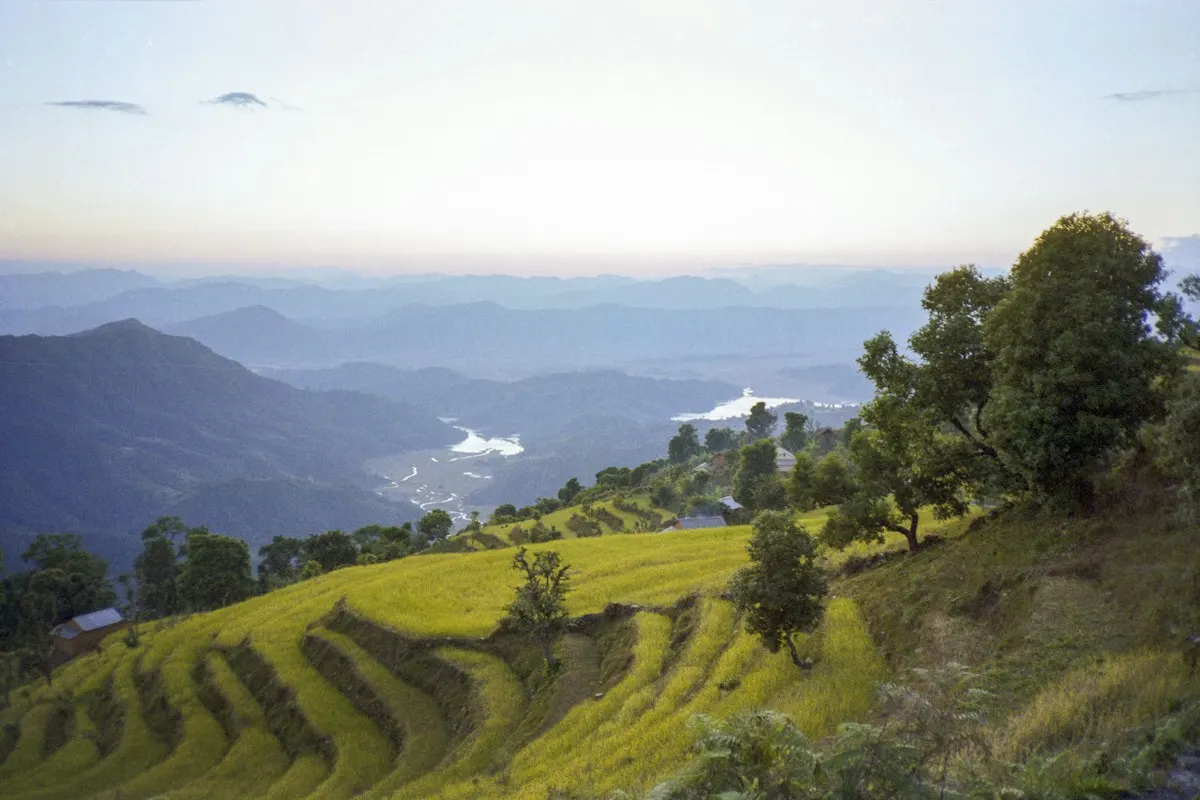
Audited accounts, programme results and a district-wise breakdown of where every rupee went — in Nepali and English.
Read story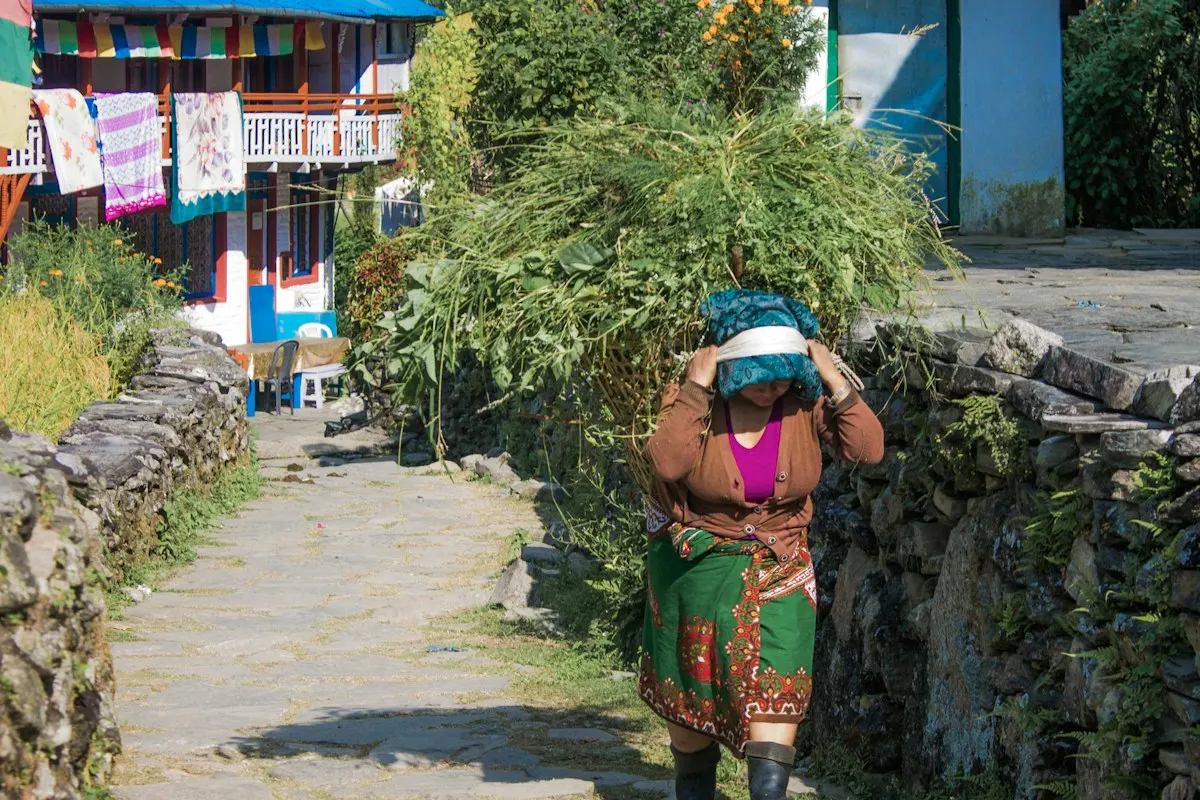
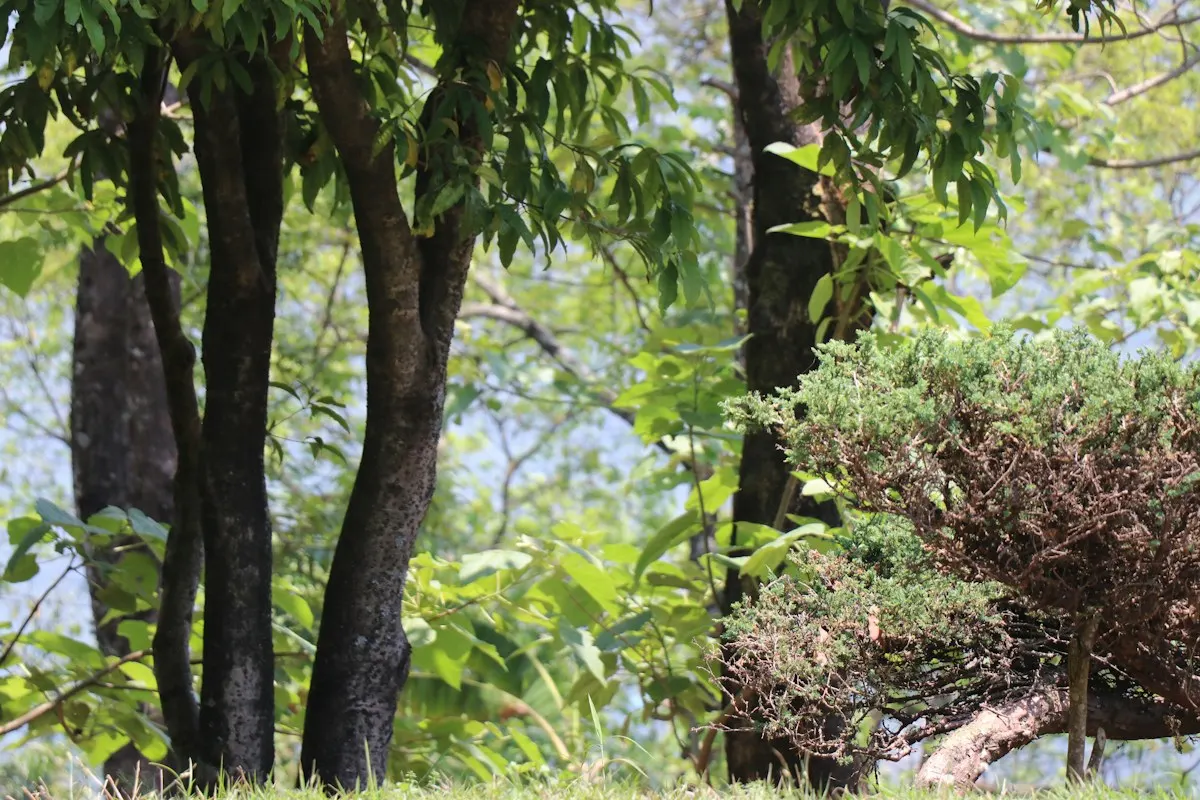
Eighteen forest user groups, six schools and 900 volunteers planted native broadleaf and fodder trees across 52 hectares.
Read story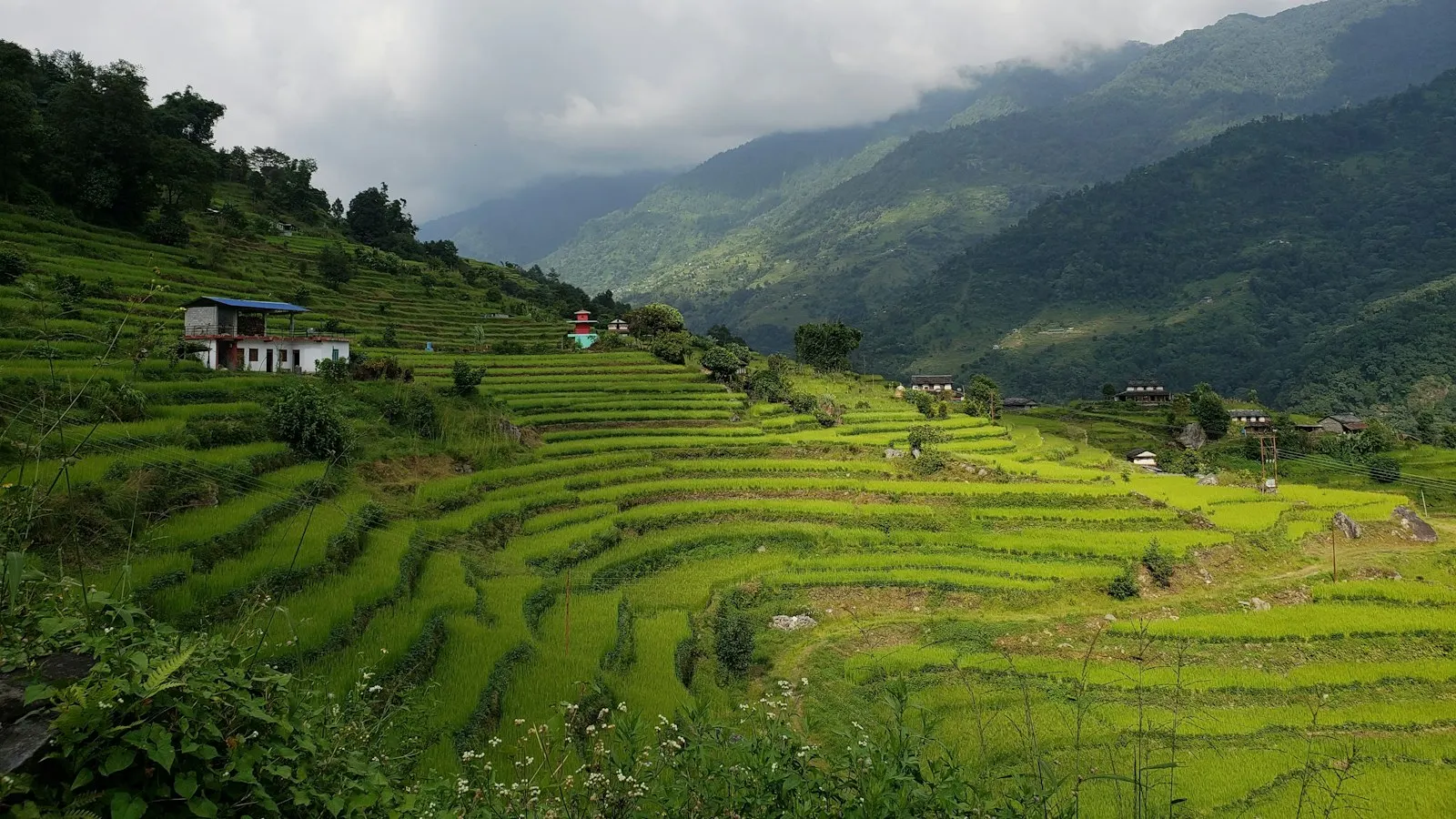
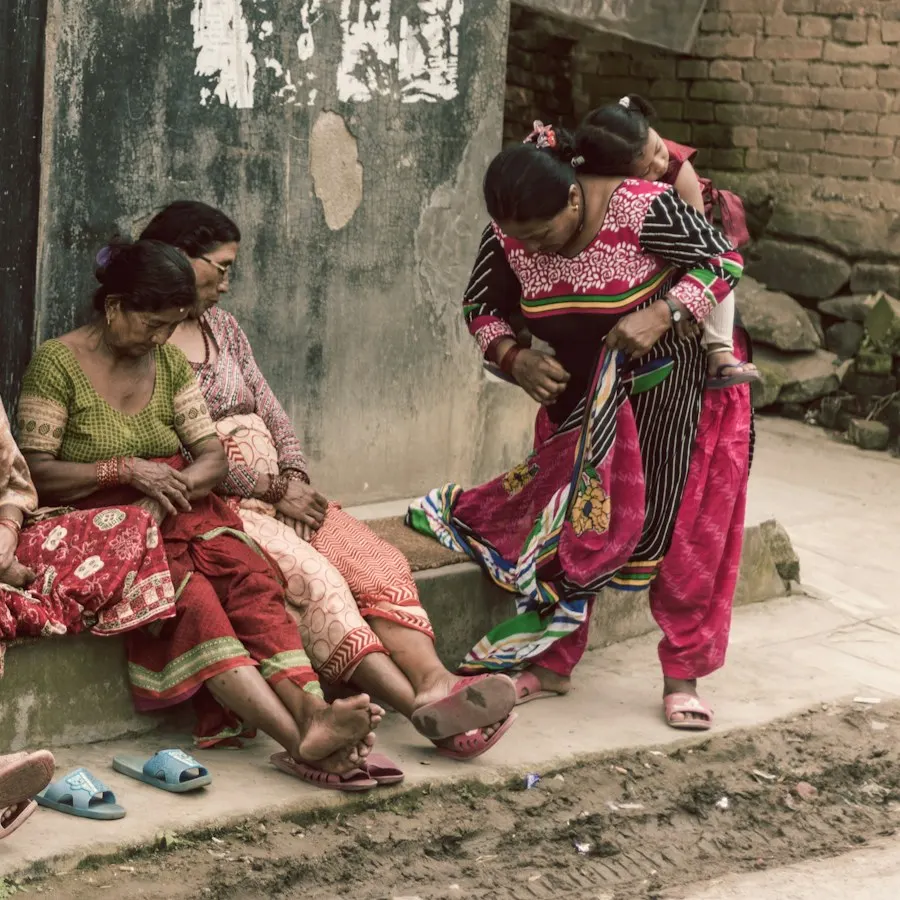

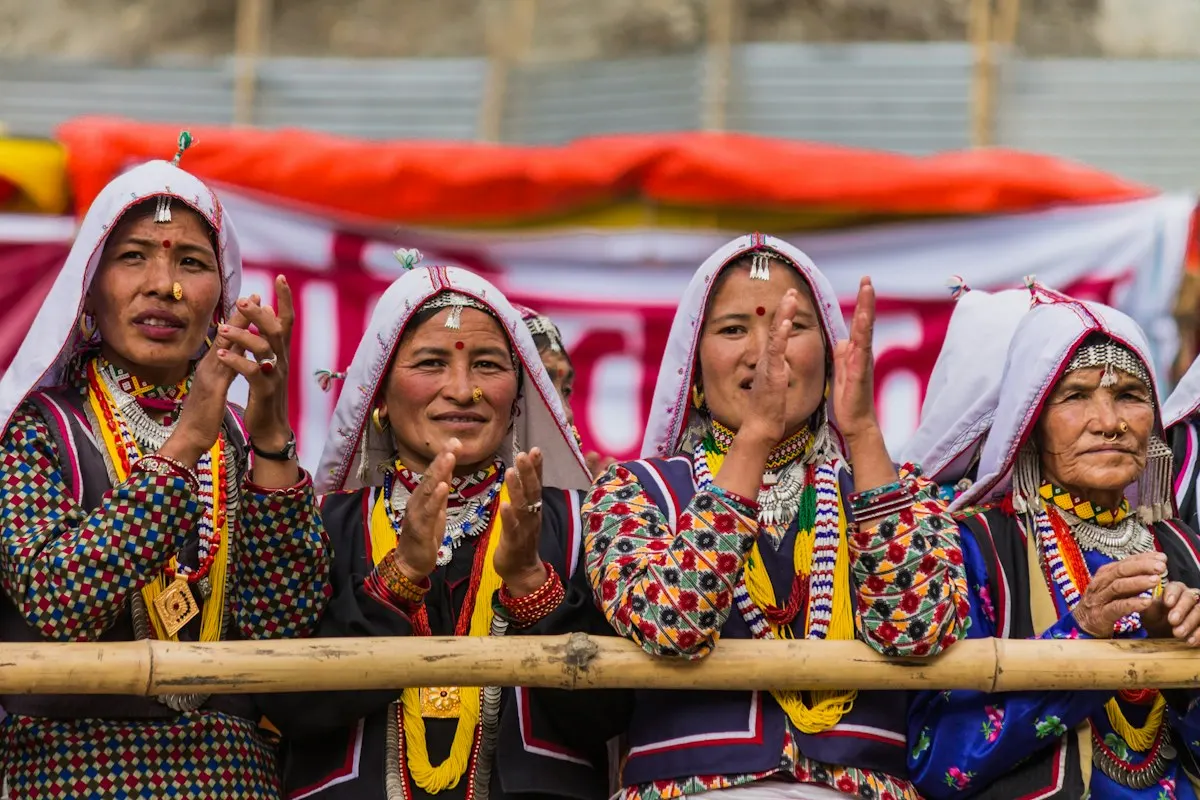
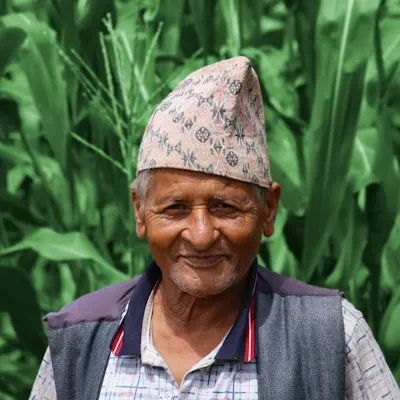
“I used to sell everything to the trader at his price. Now our group grades the vegetables together, and the collection centre pays us the same day.”
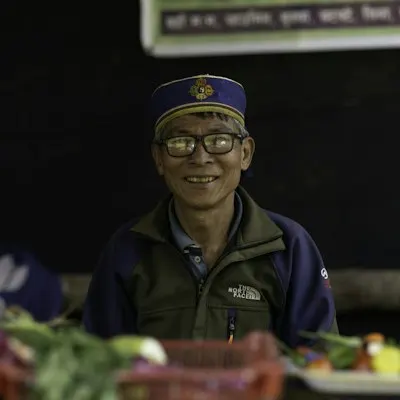
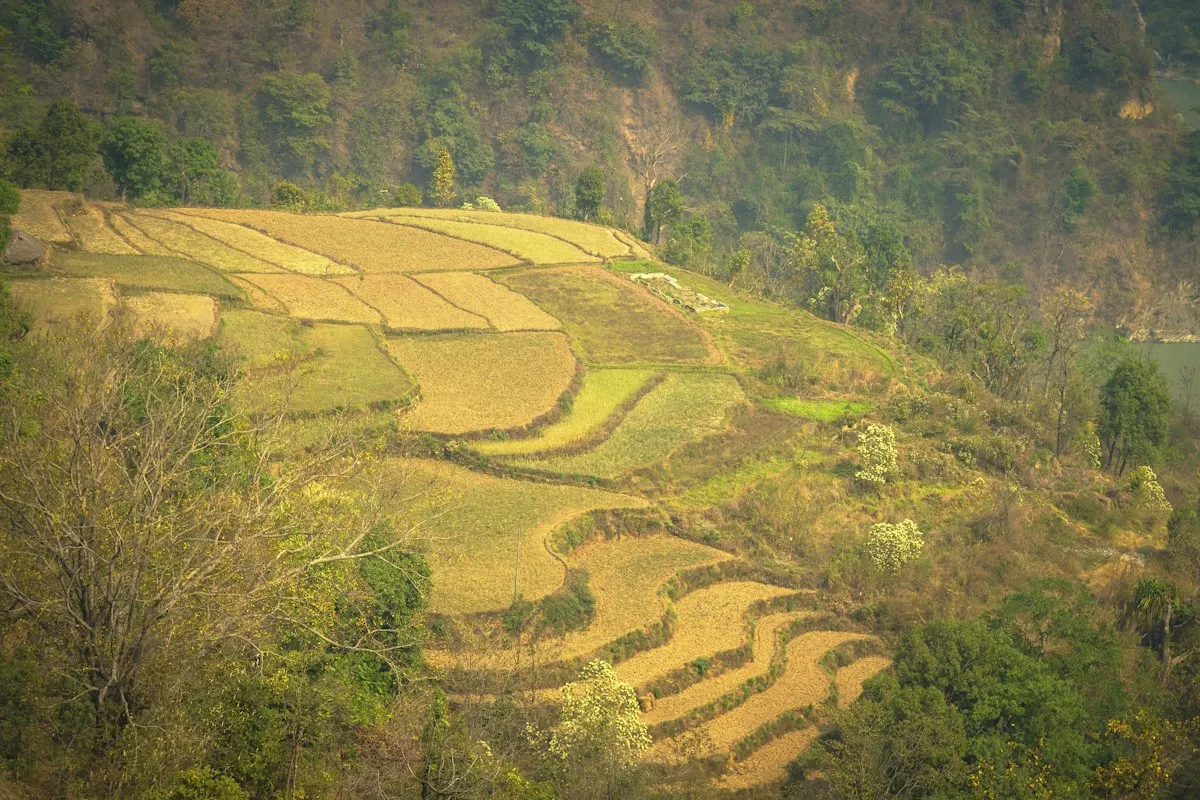
“By Chaitra the spring above our village was only a trickle. Since we dug the ponds, there has been water in the tap through the whole dry season.”
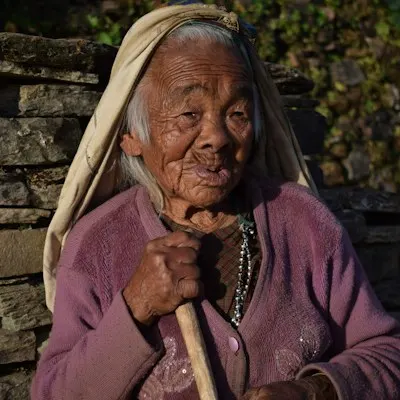
“My father’s maize had almost disappeared. Now forty households grow it again, and the seed is kept in our own village.”